

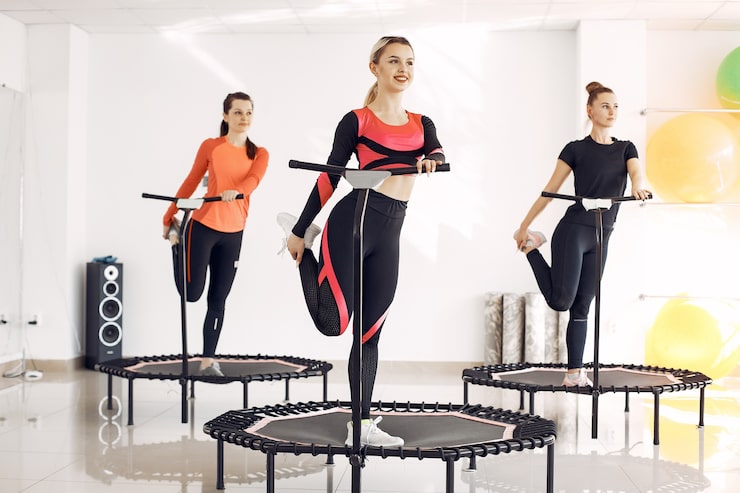
There is something universally joyful about a trampoline. Children race toward it the moment they get home, teenagers spend hours perfecting their jumps, and even adults find it hard to resist the simple pleasure of bouncing. Among the various trampoline options available today, the above ground trampoline remains the most popular choice for families around the world. It is familiar, fun, versatile, and when chosen and installed correctly, it delivers years of safe and enjoyable use for the whole family.
What Sets an Above Ground Trampoline Apart
An above ground trampoline sits on a frame that elevates the jumping surface off the ground, typically anywhere from two to three feet high depending on the model. This elevated design is the traditional trampoline format that most people grew up with, and it continues to dominate the market for good reason.
The elevated frame design allows for better spring performance. Because the jumping mat is suspended above the ground with springs connecting it to the outer frame, the bounce is dynamic and responsive in a way that feels natural and satisfying. Jumpers of all ages and skill levels can enjoy the experience, from toddlers taking their first bounces to older kids practicing flips and tricks.
Above ground trampolines are also significantly easier to install than in-ground alternatives, which require excavation and drainage planning. An above ground model can be assembled in a few hours with basic tools and placed virtually anywhere in your yard that has a flat, clear surface.
Sizes and Shapes Available
One of the biggest advantages of shopping for an above ground trampoline today is the variety of sizes and shapes available. Whether your backyard is compact or expansive, there is a model that fits your space and suits your needs.
Round trampolines are the most common and widely available option. They direct jumpers naturally toward the center of the mat, which makes them a safer choice for younger children and casual recreational use. Round models are available in sizes ranging from eight feet in diameter for smaller yards all the way up to sixteen feet or more for families who want maximum jumping space.
Rectangular above ground trampolines are the preferred choice for serious jumpers and those interested in gymnastics or athletic training. The rectangular shape allows for a more powerful and even bounce across the entire surface, giving jumpers more control and more air. These models are also the format used in competitive gymnastics, making them a great choice for kids who take their training seriously.
Oval trampolines offer a middle ground between round and rectangular designs. They provide a larger jumping area than a comparably sized round model while maintaining a shape that fits more naturally into many backyard layouts.
Safety Features to Look for in an Above Ground Trampoline
Safety is the most important consideration when purchasing an above ground trampoline, particularly for families with young children. The trampoline industry has made significant advances in safety design over the past decade, and today’s models offer far better protection than older versions.
A full enclosure net is now standard on virtually all quality above ground trampolines. The net surrounds the entire jumping surface and prevents jumpers from bouncing off the edge of the mat and falling to the ground below. Look for nets that attach securely to the frame with no gaps at the entry point and that are made from durable, UV-resistant materials that will not degrade quickly in outdoor conditions.
Padded spring covers are another essential safety feature. The springs that connect the mat to the frame are one of the most common sources of injury on trampolines. A thick, well-attached foam pad that covers the springs and the hard frame edge around the perimeter of the jumping surface reduces this risk significantly.
Galvanized steel frames provide the structural integrity that keeps an above ground trampoline stable during use and resistant to rust and corrosion over time. When comparing models, pay attention to the thickness of the steel tubing used in the frame. Heavier gauge steel means a stronger, longer-lasting trampoline.
Weight capacity is a practical safety consideration that is easy to overlook. Every above ground trampoline has a maximum weight rating, and exceeding it puts stress on the frame, springs, and mat in ways that can lead to structural failure. Choose a model with a weight capacity that comfortably accommodates the heaviest intended users.
Installation and Placement Tips
Where you place your above ground trampoline matters as much as which model you choose. Select a flat area of your yard that is clear of overhead obstructions including tree branches, power lines, and roof overhangs. Allow at least six feet of clear space on all sides of the trampoline to provide a safety buffer around the perimeter.
Placing the trampoline on grass rather than concrete or paving provides a softer landing surface in the event of a fall outside the enclosure. Some families choose to place safety mats or rubber mulch around the base of the trampoline for additional cushioning.
Getting the Most Out of Your Above Ground Trampoline
An above ground trampoline is a long-term investment in outdoor fun and active play. With proper care, regular inspection of springs, mat, and frame, and adherence to basic safety rules, a quality trampoline can provide a decade or more of reliable use. Establish clear jumping rules from the beginning, limit the number of jumpers on the surface at one time, and inspect the trampoline regularly for wear or damage.
Few backyard additions deliver the consistent, genuine enjoyment that an above ground trampoline brings to a family. Buy well, install carefully, and watch it become the favorite spot in your yard for years to come.